When Will Sony Embrace Computational Photography?
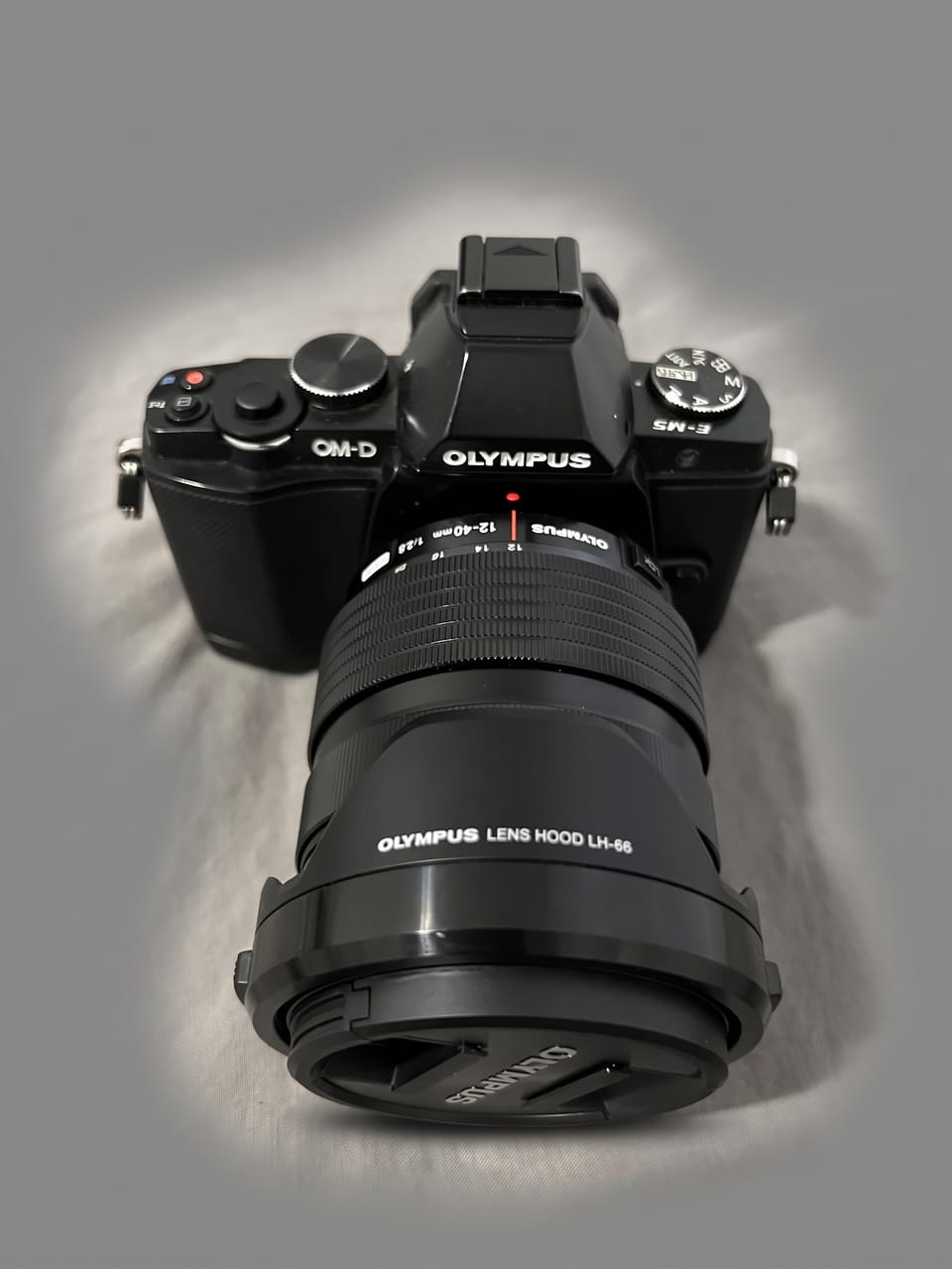
There are days when I miss my Olympus.
Not because it was technically better. Not because it could compete with the incredible sensors, autofocus systems, and lenses I have access to today. But because it felt different.
My original Olympus E-M5 was a little camera that made photography feel effortless again. It was small enough that bringing it along never felt like a commitment. It disappeared into a bag. It went places my larger cameras sometimes didn’t. It reminded me that photography wasn’t always about chasing the highest specifications — sometimes it was simply about having a camera nearby when something interesting happened.
There was something magical about that little body. Nostalgia is potent, after all.
Fast forward to today, and I find myself looking at what companies like OM System are doing and wondering: when will Sony finally embrace computational photography?
The idea is fascinating. We’ve seen what smartphones can do with multiple frames, machine learning, and clever processing. They can recover shadows, extend dynamic range, create convincing long exposures, and produce images that would have seemed impossible from such tiny sensors a decade ago.
And yet, dedicated cameras still largely operate the way they did before computational photography became mainstream.
Imagine what a modern OM-3 style camera could be with today’s technology. A compact body paired with features like Live ND, handheld high-resolution modes, computational long exposures, improved HDR processing, and intelligent subject recognition. A camera that combines the joy and portability of the old E-M5 with the processing power we now carry in our pockets.
That kind of camera would be genuinely exciting.
A small, premium camera that encourages experimentation. A camera you bring on walks, vacations, family outings, and random weekend adventures. A camera that creates images you couldn’t easily capture without it.
And honestly, that is the part I miss.
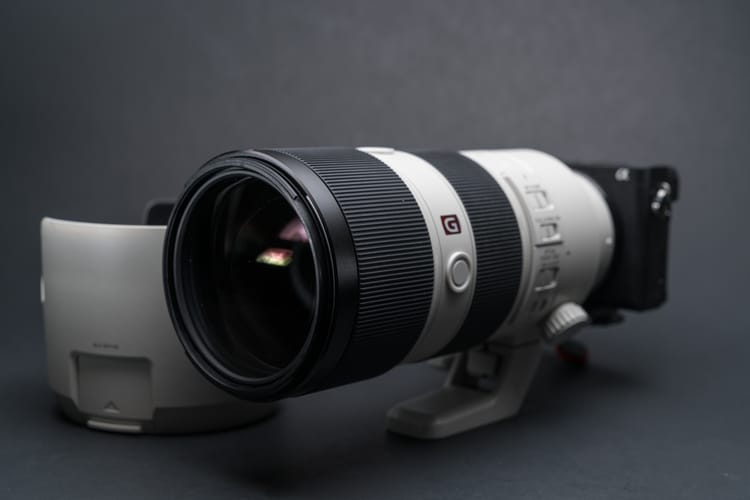
The funny thing is, I already have a fantastic system. My Sony A7 IV is an incredible camera. The image quality is excellent, autofocus is impressive, and the lenses I’ve collected are capable of producing beautiful photographs. The Sony ecosystem is powerful, flexible, and more than enough for the kind of photography I enjoy.
The problem is not that my Sony is lacking.
The problem is that sometimes I miss the feeling of the smaller camera.
Of course, reality gets in the way. I can’t realistically run two complete systems. Having a Sony full-frame setup and an OM System setup means duplicate lenses, duplicate batteries, duplicate accessories, and another rabbit hole of gear decisions. Photography hobbies have a funny way of turning into equipment management hobbies.
So for now, I’ll stay where I am.
I’ll enjoy my Sony, take photos when the opportunity appears, and appreciate the incredible technology I already have. Maybe someday Sony will surprise us with a computational photography push — something that combines their sensor technology, autofocus expertise, and processing capabilities into a truly modern camera experience.
Until then, I’ll keep remembering that little E-M5.
Sometimes the best camera isn’t the one with the biggest specifications.
Sometimes it’s the one that makes you want to pick it up.